
In this article
- Why Concrete Water Tanks Leak in Dubai
- 8 Signs Your Water Tank Lining Has Failed
- Why a Leaking Tank Is More Than a Water Bill Problem
- How Potable-Safe Tank Linings Work
- How Water Tank Waterproofing Is Done: Step by Step
- Planning Around the Water Shutdown
- Mistakes That Shorten a Tank Lining’s Life
- Looking After a Lined Tank
- Book Water Tank Waterproofing in Dubai
- Frequently Asked Questions
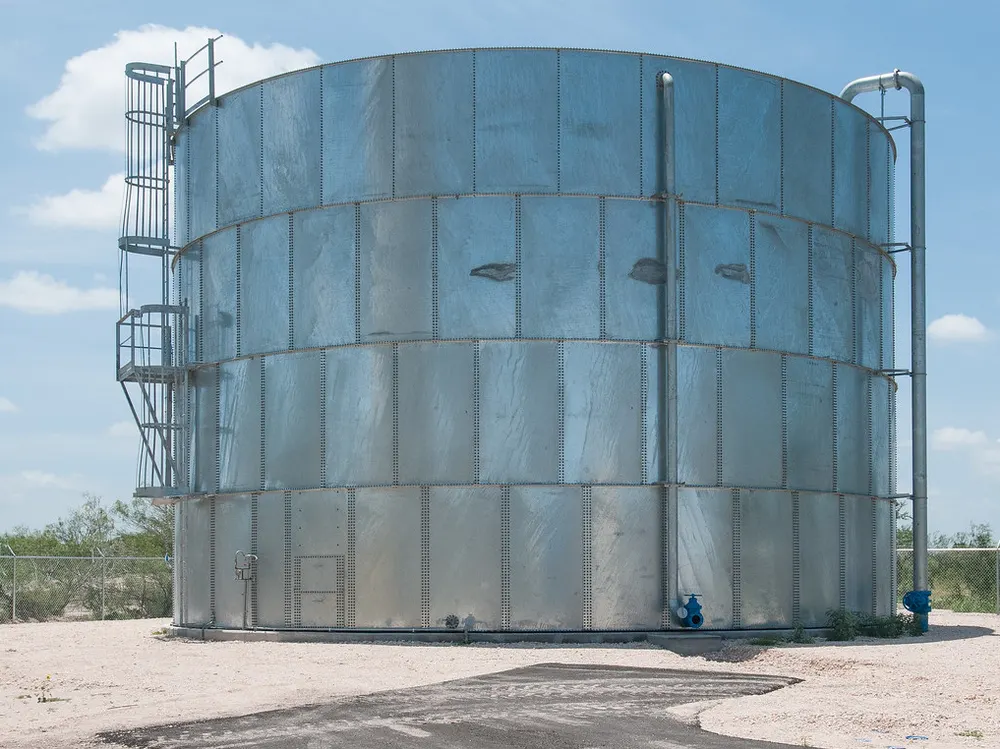
Most Dubai homeowners rarely think about their water tank. It sits on the roof or under the ground, the float valve fills it, and water comes out of the taps. But a concrete tank works hard every day. It holds tonnes of water, it heats and cools with the weather, and its lining is in constant contact with the water your family drinks and washes in.
When that lining fails, the problems spread quickly: damp walls, rust stains, leaks into the room below, rising water bills and, in the worst cases, water quality concerns. This guide to water tank waterproofing in Dubai explains the warning signs, how potable-safe linings work, and how a tank is repaired properly.
Why Concrete Water Tanks Leak in Dubai
Concrete is strong, but it is not naturally waterproof. It is porous, it cracks when it moves, and it relies on a lining to hold water. In Dubai, several conditions work against that lining.
- Heat and temperature swings. A roof tank can go from very hot in the afternoon sun to much cooler overnight. That daily movement opens hairline cracks and stresses joints.
- Constant immersion. The lining is underwater all year. Any product that is not designed for permanent immersion softens, blisters or peels.
- Pipe entries. Inlets, outlets, overflows and drains pass through the tank wall. If they were coated around rather than sealed into the lining, they become the weak point.
- Ground moisture. Underground and partially buried tanks also face damp soil and, in some areas, a high water table pushing from outside.
- Age. Many villas in established communities such as Arabian Ranches, The Springs, The Meadows and Jumeirah Islands have tanks whose original lining is now well past its best.
8 Signs Your Water Tank Lining Has Failed
If you notice any of the following, your tank needs an inspection.
- Damp patches on the outside walls of the tank or the tank room.
- White salts (efflorescence) on the concrete, left behind as water seeps through and evaporates.
- Rust-coloured stains, which suggest water has reached the steel reinforcement inside the concrete.
- Leaks or stains in the room below a roof tank, often mistaken for a roof leak.
- A float valve that runs more than usual, because the tank is constantly losing water.
- Higher water bills with no change in household use.
- Flaking, blistered or peeling lining visible when the tank is cleaned.
- Cracks inside the tank, especially at corners, joints and around pipe entries.

Roof Tank Leak or Roof Leak?
A stain under a roof tank is often blamed on the roof. Sometimes it is the roof, and sometimes it is the tank, and very often it is the roof membrane around the tank base and pipe entries. Our leak inspection uses thermal imaging and moisture mapping to tell them apart, so you repair the right thing. See our guide to thermal imaging leak detection in Dubai.
Why a Leaking Tank Is More Than a Water Bill Problem
Ignoring a seeping tank is costly. Water moving through concrete carries chlorides and oxygen to the reinforcement, which then corrodes and expands. That expansion cracks the concrete from inside, which lets in more water. Over time this can weaken the tank walls and the slab beneath them.
For roof tanks, seepage also travels into the structure below, damaging ceilings, plaster and paint, and encouraging mould. And a lining that is breaking down is a lining that can shed flakes and harbour sediment, which is the last thing you want in a drinking water tank.
How Potable-Safe Tank Linings Work
The most important rule in potable water tank coating is simple: if people drink the water, the lining must be a product intended for stored drinking water, and it must be applied and cured exactly as the manufacturer specifies.
Types of Lining Systems
Concrete tank linings generally fall into a few families, and the right one depends on the tank and its condition:
- Cementitious coatings that bond strongly to concrete and suit tanks where the substrate is sound.
- Flexible cementitious or polymer-modified coatings that can bridge fine cracks caused by movement.
- Epoxy or other resin-based linings that form a hard, smooth, easy-to-clean surface when approved for potable use.
- Crystalline systems that react inside the concrete pores, sometimes used alongside a surface coating.
We specify after inspection, based on what the tank stores, its location, the condition of the concrete and any existing lining.
Drinking Water, Fire and Irrigation Tanks
Drinking water tanks carry strict hygiene requirements. Fire-fighting and irrigation tanks do not, which widens the material choice, though they still need a lining that tolerates constant immersion. If a tank’s use might change later, tell your contractor before it is lined.
Curing Is Not Optional
In Dubai’s heat, a coating can feel dry to the touch within hours, long before it has fully cured. Refilling too early is one of the most common causes of early lining failure, and of taste or odour complaints. The full curing period, followed by rinsing before refilling, must be respected.
How Water Tank Waterproofing Is Done: Step by Step
1. Inspection
The outside walls are checked for damp, salts and rust staining. Once drained, the inside is inspected for cracks, honeycombing, exposed reinforcement, failed lining and loose pipe entries.
2. Draining and Cleaning
The tank is emptied, sediment is removed and the surfaces are thoroughly cleaned. Pumps are switched off and float valves isolated to protect the equipment.
3. Surface Preparation
Old, poorly bonded lining is removed. A new coating can only perform as well as the surface beneath it, so loose material, laitance and contamination are taken back to sound concrete.
4. Repairs
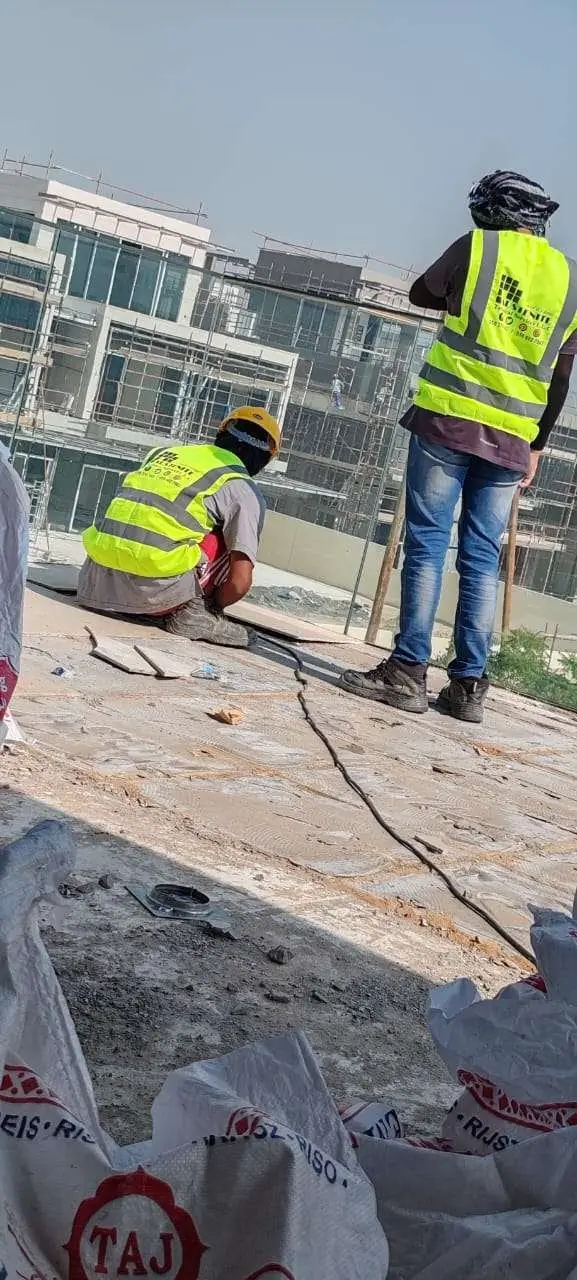
Cracks are opened and filled with a compatible repair material. Honeycombed or spalled concrete is repaired, and any exposed reinforcement is treated before being covered.
5. Detailing Pipe Entries and Corners
Every pipe entry is sealed into the system with the right collar or sealant, and corners and wall-to-floor junctions are reinforced. These are where most tank leaks start.
6. Applying the Lining
The lining is applied in the specified number of coats and thickness, with extra attention in corners and around penetrations where coatings tend to go on too thin.
7. Curing, Rinsing and Refilling
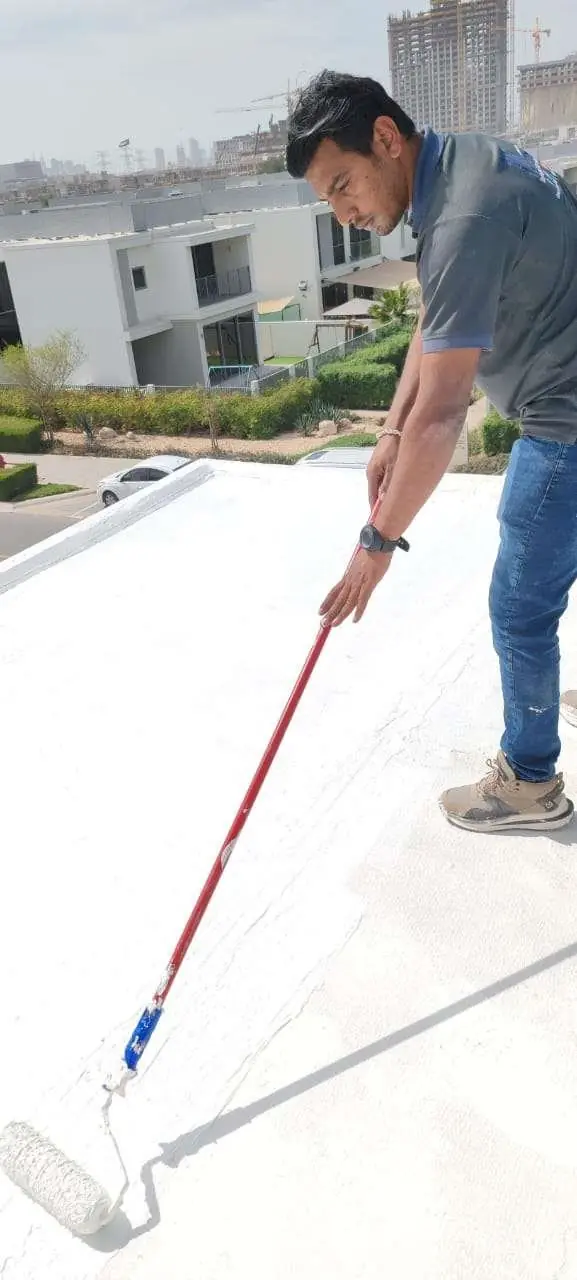
The lining is left to cure fully, inspected for defects, rinsed, and then the tank is refilled and checked over the following days.
Learn more about our water tank waterproofing service in Dubai.
Planning Around the Water Shutdown
The biggest practical concern for most families is how long they will be without stored water. That depends on the tank size, the repairs needed and the curing time of the chosen system. We agree the schedule before draining begins. Buildings with more than one tank can usually be treated one at a time, and some villas can be put on a temporary supply depending on the plumbing. Let residents or tenants know the dates in advance.
Mistakes That Shorten a Tank Lining’s Life
- Coating over an old lining that is already peeling
- Applying lining to a damp or dusty surface
- Coating around pipe entries instead of sealing them in
- Applying the lining too thinly in corners
- Using a product not intended for drinking water in a potable tank
- Refilling before the lining has fully cured
Looking After a Lined Tank
Regular cleaning keeps sediment off the lining and gives you a chance to check its condition. At each clean, look for blistering, peeling or discolouration, and check pipe entries and the overflow. Outside, watch for new damp patches, salts or rust. Keep the manhole cover sealed and vents screened to keep out dust and insects, and follow Dubai Municipality guidance on tank cleaning and maintenance.
If your tank sits on the roof, it makes sense to check the roof membrane around it at the same time. Our roof waterproofing team can treat both in one visit, and for buried tanks see our basement and foundation waterproofing service.
Book Water Tank Waterproofing in Dubai
A leaking tank only gets worse. Catching it early usually means a smaller repair, and sometimes a single pipe entry or crack can be fixed without relining the whole tank.
Austenite Technical Services has more than 25 years of experience protecting Dubai villas and buildings. We inspect, clean, repair and line concrete roof and ground tanks with systems chosen for what they store, and we give you a written warranty.
Call or WhatsApp +971 56 378 7002, or send us photos on WhatsApp to book a free site inspection.
Frequently Asked Questions
Is the tank lining safe for drinking water?
For drinking water tanks we use systems intended for stored potable water and follow the manufacturer’s full curing and rinsing instructions before refilling.
Can a leaking tank be fixed without relining it?
Sometimes. If the leak is a single crack or pipe entry and the rest of the lining is sound, a local repair may be enough. The inspection tells you which.
Do you clean the tank as part of the work?
Yes. Cleaning and sediment removal are part of the preparation before any repair or lining.

Keep reading
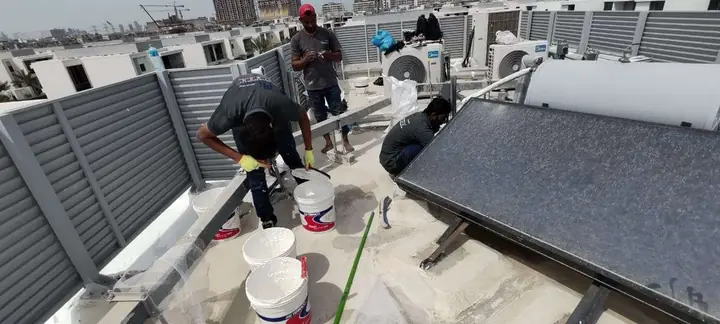
AC Units, Pipes and Solar Frames: The Hidden Roof Leak Points in Dubai Villas
Your roof membrane can be in good shape and still leak. In Dubai villas, the water usually gets in where something passes…
Read article AC Units, Pipes and Solar Frames: The Hidden Roof Leak Points in Dubai Villas
What Is a Flood Test? Why Every Waterproofing Job in Dubai Needs One Before Tiling
Waterproofing is the one part of a building you never see again once it is finished. A flood test is how you…
Read article What Is a Flood Test? Why Every Waterproofing Job in Dubai Needs One Before Tiling
Bathroom Leaking Into the Apartment Below in Dubai: Causes, Who Pays and the Permanent Fix
Water coming through the ceiling from the flat upstairs? Here is what usually causes it, who is normally responsible in Dubai, and…
Read article Bathroom Leaking Into the Apartment Below in Dubai: Causes, Who Pays and the Permanent Fix