
In this article
- What Is a Flood Test?
- Why Flood Testing Matters So Much in Dubai
- Where Flood Tests Should Be Done
- How a Flood Test Is Done: Step by Step
- How Long Does a Flood Test Take?
- Signs a Flood Test Was Skipped or Done Badly
- Flood Testing and Your Warranty
- Flood Test vs Leak Detection: What Is the Difference?
- Waterproofing in Dubai That Is Tested Before Handover
- Frequently Asked Questions
Waterproofing has an unusual problem. Once it is finished, nobody ever sees it again. The membrane on your roof disappears under screed and tiles. The one in your bathroom vanishes under adhesive and porcelain. If something was missed, you only find out when a stain appears on the ceiling below, often months later and after the tiles are down.
That is why a flood test is the most important step in any waterproofing job in Dubai. It is a simple, low-tech check that proves the membrane holds water while it is still exposed and can still be fixed cheaply. This guide explains what a flood test is, how it is done, how long it takes, and why you should never accept a waterproofing job without one.
What Is a Flood Test?
A flood test, sometimes called a ponding test or water test, is exactly what it sounds like. After the waterproofing membrane is installed and cured, the area is temporarily dammed at the edges and filled with water to a set depth. The water is left standing for a period, typically 24 to 48 hours, while the space below is checked for any sign of moisture.
If the ceiling, walls and slab below stay dry, the membrane has passed. If moisture appears, the leak is found and repaired, and the test is repeated. Only after a pass does the protection layer, screed or tiling go on.
It is not glamorous. But it turns “we think it’s fine” into evidence.
Why Flood Testing Matters So Much in Dubai
Dubai’s climate and construction pace make testing especially important.
- Most leaks start at details, not open areas. Drains, corners, upstands, thresholds and pipe penetrations are where membranes fail. A flood test puts water against every one of those details at once.
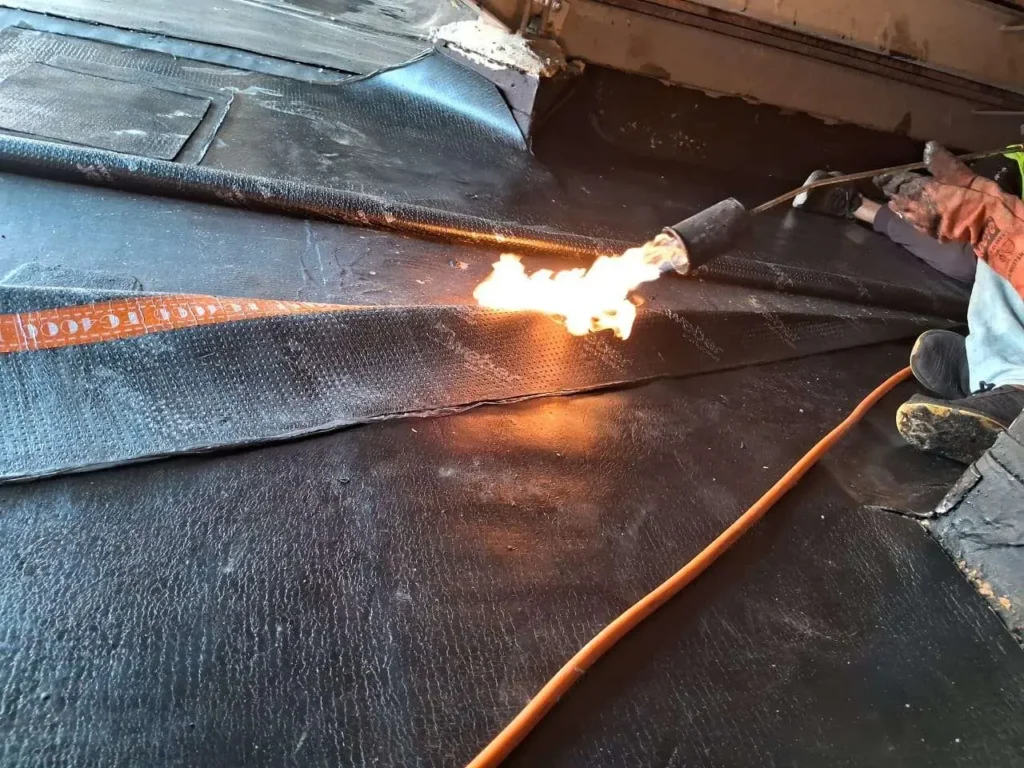
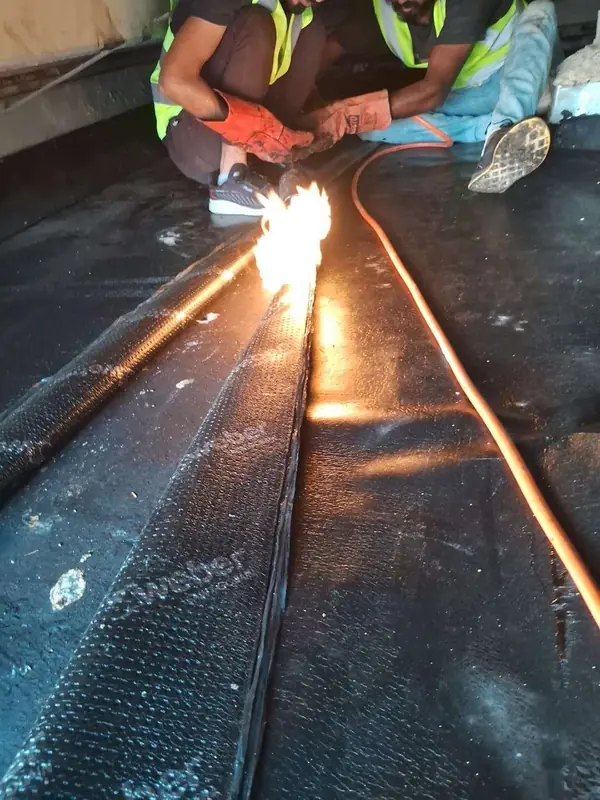
- Heat speeds up installation mistakes. Liquid membranes can skin over quickly in hot weather, hiding thin spots or pinholes. Torch-on overlaps that look sealed may not be fully bonded.
- Repairs after tiling are expensive. Fixing a pinhole before tiling takes minutes. Fixing it after tiling means lifting the finish, often in a bathroom or terrace you have just paid to complete.
- Leaks in towers affect neighbours. In an apartment, a missed defect becomes your downstairs neighbour’s problem, and yours.
Where Flood Tests Should Be Done
Bathrooms and Wet Areas
Every new or replaced bathroom membrane should be flood-tested before tiling. The test checks the floor wastes, corners, the junction with the shower walls and any pipe penetrations. In apartments, the ceiling of the unit below is checked during the test. See our page on bathroom waterproofing in Dubai.
Balconies and Terraces
Balconies are a common source of leaks into living rooms below and behind sliding doors. A flood test checks the threshold upturn, drains and wall junctions. Read more about balcony and terrace waterproofing.
Flat Roofs
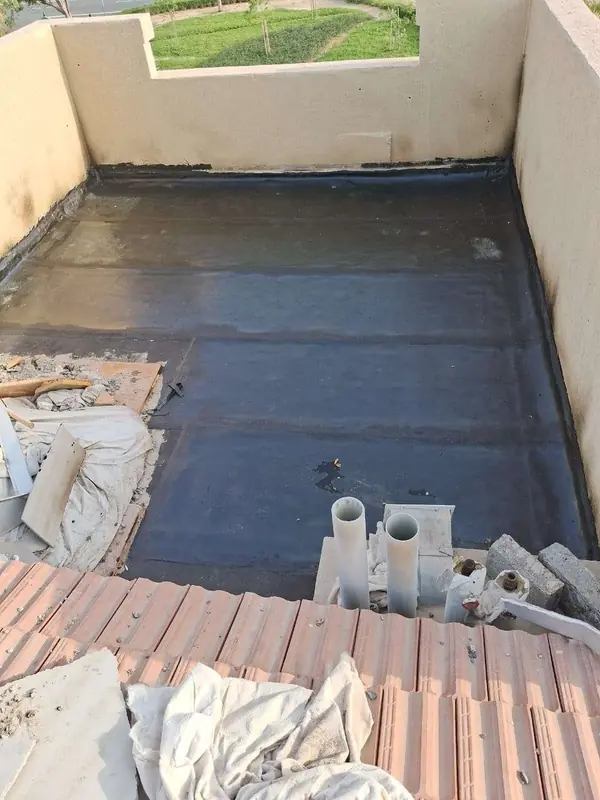
Villa roofs and podium decks are flood-tested in sections where the structure allows. The test focuses on drains, upstands, AC plinths, parapets and every pipe or cable penetration. See our roof waterproofing service.
Planters, Pools and Tanks
Planter boxes, water features and pool surrounds also benefit from testing before finishes are applied. Pools and tanks are tested by filling and monitoring levels over time.
How a Flood Test Is Done: Step by Step
1. Let the Membrane Cure
The membrane must be fully cured before it is loaded with water. Curing time depends on the product, thickness and weather, and is set out in the manufacturer’s data sheet. Testing too early can damage a soft membrane and give a false result.
2. Inspect Before Flooding
Before any water goes on, the installer walks the whole area. Seams and overlaps are probed, corners and drains are checked, and any visible defects are fixed first. The flood test should confirm good work, not replace inspection.
3. Block the Drains and Dam the Edges
Floor drains are temporarily plugged and the edges are dammed where needed, for example at a door threshold, so water can be held at a consistent depth without spilling into finished areas.
4. Fill to the Agreed Depth
The area is filled to the depth agreed for the test, enough to cover the highest point of the floor and reach the base of upturns, but not so much that it overloads the structure. On roofs, the structural capacity must always be considered before ponding.
5. Mark the Level and Wait
The water level is marked. The test then runs for the agreed period, commonly 24 to 48 hours. A small drop can come from evaporation, which in Dubai’s heat can be noticeable, so the level is read together with what is happening below.
6. Check Below and Around
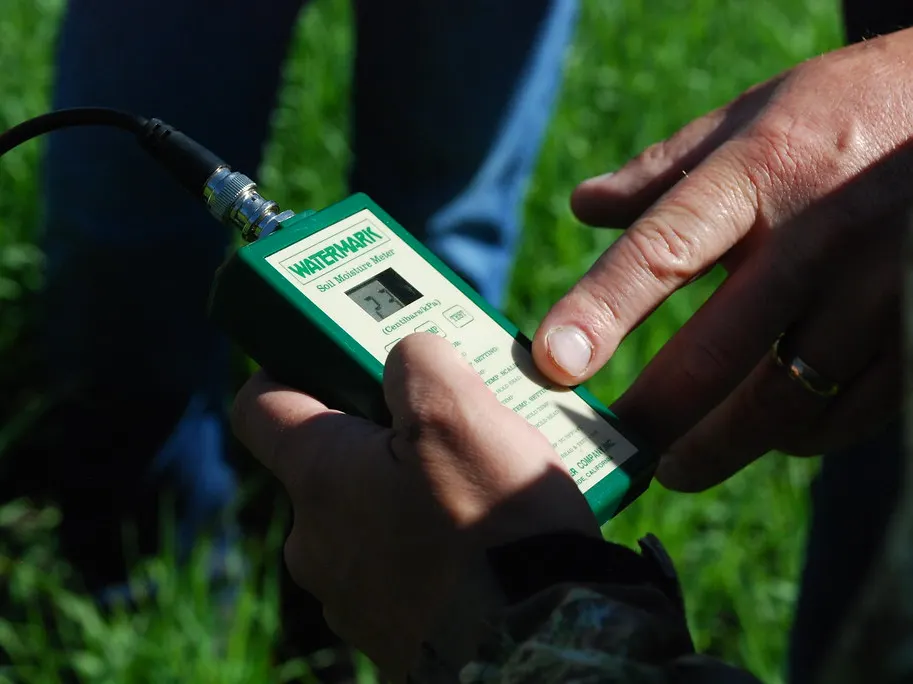
This is the step that actually matters. The ceiling, walls and slab below are checked visually and with a moisture meter at intervals. Thermal imaging can also help spot early moisture before a visible stain forms.
7. Record the Result
A pass is photographed and recorded with the date, duration and water depth. If there is a leak, the location is found, the membrane is repaired, and the test is run again.
8. Protect the Membrane Immediately
After a pass, the water is drained and the membrane is protected straight away with screed, a protection board or tiling. A membrane damaged by foot traffic or dropped tools after a successful test is just as bad as one that was never tested.
How Long Does a Flood Test Take?
For most bathrooms, balconies and roof sections, the test itself runs for 24 to 48 hours. Add the membrane’s curing time before the test and you have the main reason waterproofing cannot be rushed. When planning a bathroom renovation, allow for these days in the schedule. It is far cheaper than losing weeks to a leak after the tiles are finished.
Signs a Flood Test Was Skipped or Done Badly
Many leaks we investigate in Dubai trace back to a test that never happened. Warning signs include:
- The contractor tiled the same day or the day after the membrane was applied
- No photos or record of the test were provided
- The drains were never plugged, so water simply ran away
- Nobody checked the unit or room below during the test
- The membrane was walked on and damaged after testing, with no re-check
Our guides on top waterproofing mistakes in Dubai villas and pre-handover membrane inspection cover more of these issues.
Flood Testing and Your Warranty
A waterproofing warranty is only as good as the evidence behind it. A recorded flood test shows that the membrane was watertight at handover. If a leak appears later, that record helps separate an installation defect from later damage, such as someone drilling through a tiled floor or a blocked drain causing water to back up.
When you collect quotations, ask each contractor three questions:
- Is a flood test included in the price?
- How long will it run, and who checks the area below?
- Will I get photos and a written record of the result?
If the answers are vague, keep looking.
Flood Test vs Leak Detection: What Is the Difference?
A flood test proves that new waterproofing works before it is covered. Leak detection finds the source of an existing leak in a finished building. The two often work together: a leak inspection may include a controlled flood test of a balcony or shower to confirm a suspected cause. Read our guide to thermal imaging leak detection in Dubai.
Waterproofing in Dubai That Is Tested Before Handover
At Austenite Technical Services, every membrane we install is flood-tested before protection, screed or tiles go on. We check the area below, photograph the result and include it in your handover report, together with a written workmanship warranty. It is a simple step, and it is the reason our clients do not see the same stain twice.
With more than 25 years of experience across Dubai villas and apartments, our team handles roofs, bathrooms, balconies, terraces, pools and tanks. Learn more about our membrane waterproofing systems.
Book your free site inspection. Call or WhatsApp +971 56 378 7002, or send us photos on WhatsApp.
Frequently Asked Questions
Is a flood test really necessary for a small bathroom?
Yes. Small bathrooms have the same drains, corners and junctions as large ones, and a missed defect leaks just as badly. The test costs little time compared with re-tiling.
Can a flood test damage my ceiling below?
A properly run test is monitored closely, so any moisture is spotted early and the water is drained before significant damage. That is far better than discovering the leak after tiling.
Can old waterproofing be flood-tested?
Yes. A controlled flood test is often used during leak investigations to check whether an existing balcony, shower or roof membrane is still holding water.
Who should be present during the flood test?
Ideally the contractor and the owner or site supervisor. In an apartment, the neighbour below should also allow access so their ceiling can be checked at the start, midway and at the end of the test.

Keep reading
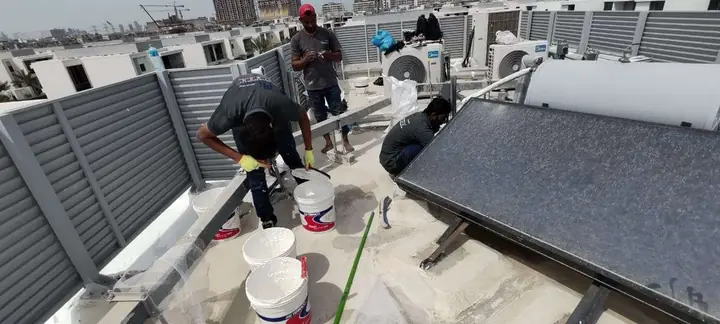
AC Units, Pipes and Solar Frames: The Hidden Roof Leak Points in Dubai Villas
Your roof membrane can be in good shape and still leak. In Dubai villas, the water usually gets in where something passes…
Read article AC Units, Pipes and Solar Frames: The Hidden Roof Leak Points in Dubai Villas
Water Tank Waterproofing in Dubai: Signs Your Tank Lining Has Failed and Safe Potable Coatings
A leaking concrete water tank damages the building around it and can affect the water you drink. Here are the warning signs,…
Read article Water Tank Waterproofing in Dubai: Signs Your Tank Lining Has Failed and Safe Potable Coatings
Bathroom Leaking Into the Apartment Below in Dubai: Causes, Who Pays and the Permanent Fix
Water coming through the ceiling from the flat upstairs? Here is what usually causes it, who is normally responsible in Dubai, and…
Read article Bathroom Leaking Into the Apartment Below in Dubai: Causes, Who Pays and the Permanent Fix