
Villa Waterproofing in Dubai
Roofs, terraces, bathrooms, planters, pools and foundations — treated as one connected system, so stopping water in one place doesn’t push it to the next weak joint.
- Free site inspection
- Written quotation
- Warranty-backed work


5.0 ★★★★★
205 Google reviews
Whole-villa approach
Roof to foundation, one survey
Thermal diagnosis
Leak source found before quoting
Villa communities
Dubai Hills, Ranches, Springs, Palm and more
Written warranty
Workmanship guarantee per area
Water finds the weakest joint in the house.
A villa has many places where water meets the structure: the roof and parapets, terraces over living rooms, bathrooms on upper floors, planters against walls, the pool and the foundations. Fix one and ignore the rest, and water often reappears somewhere new.
We survey the whole villa, map where moisture actually is, then plan the work area by area — so you can prioritise and budget with a clear picture.

- Roof terraces over bedrooms or majlis
- Upper-floor bathrooms leaking into ceilings below
- Planters and flower beds against external walls
- Balcony thresholds and sliding doors
- Pool and balance-tank areas
- Damp at skirting from the foundations
Every wet area of a villa, one team.
Specified per area, installed by the same crew, documented in one report.
Roofs & parapets
Membrane systems with properly detailed upstands.
Terraces & balconies
Under-tile membranes with correct falls and thresholds.
Bathrooms & wet areas
Shower trays, floor wastes and wall junctions.
Pools & water features
Shells, balance tanks and fittings.
Planters & foundations
Below-ground and soil-contact surfaces.
Water tanks
Internal linings for roof and ground tanks.
From first call to a dry ceiling in six clear steps.
No surprises: you see what we found, what we recommend and what it costs before any work starts.
Book a visit
Call, WhatsApp photos or use the form. We confirm a time that suits you.
Inspect & diagnose
Thermal and moisture checks to trace the root cause of leaks, seepage or damp.
Report & quotation
Photo report with the recommended system and an itemised written quote.
Professional execution
Surface prep, priming, detailing and membrane installed to best practice.
Flood test & QC
Water test and final inspection before protection, screed or tiles.
Warranty & support
Handover with written warranty — and we stay reachable afterwards.
Planning villa waterproofing in Dubai: what owners should know
Villas in Dubai face a wider mix of water sources than most homes: sun-baked roofs, irrigated gardens, pools, upper-floor bathrooms and, on the coast, salty air. This guide covers how the climate affects each part of the house, what shapes the scope and cost, how renovations and landscaping create new risks, what to check when buying or renting, and how to keep villa waterproofing performing long after the crew leaves.
- How does Dubai's climate affect each part of a villa?
- What affects the cost of villa waterproofing?
- How do renovations and landscaping create new leak risks?
- What should you check when buying, renting or taking handover of a villa?
- Common mistakes to avoid with villa waterproofing
- How do you keep a villa watertight after the work?
How does Dubai's climate affect each part of a villa?
Different parts of a villa fail for different reasons. Roofs and roof terraces deal with intense summer heat that ages coatings and opens joints, while the walls facing the sun move more than those in shade, stressing sealants around windows and parapets. On the coast, salt-laden air corrodes metal railings, fixings and door frames, and the gaps that open around them can let water behind the finish.
At ground level the pressures are different. Daily garden irrigation keeps soil against the walls damp for much of the year, and some communities sit where groundwater is closer to the surface. Inside, high humidity and constant AC use create condensation in bathrooms, maid’s rooms and utility areas. A villa survey looks at all of these together, because the right fix depends on the actual source of the moisture.
What affects the cost of villa waterproofing?
Because a villa is a collection of different areas, the scope is what drives the quotation. A survey might find that only a terrace threshold and one bathroom need attention, or that the roof, planters and foundations all show moisture. Each area has its own preparation, system and finishing work, so the quotation is itemised per area, letting you see what each part involves and phase it if needed.
Within each area, the usual factors apply: how much tiling, screed or landscaping must be removed, how many penetrations and details there are, the system specified and the finish that goes back on top. Villas with modified layouts, added rooms or large terraces over living spaces typically need more investigation, because extensions often join the original structure at points that were never designed to be watertight.
- Number of areas needing work and their condition
- Removal and reinstatement of tiles, screed or landscaping
- Access for materials within gated communities
- Joints between the original structure and later extensions
- Finishes to be matched or replaced after testing
How do renovations and landscaping create new leak risks?
Many villa leaks begin after a renovation rather than at handover. Enclosing a terrace to create an extra room, adding a pergola fixed through the terrace floor, or tiling over a roof without checking the membrane below can all break a system that was working. The new structure meets the old one at a joint, and unless that joint is detailed with the waterproofing in mind, it becomes the next entry point.
Gardens are another common cause. Raising soil levels against external walls during landscaping can bury the protection at the base of the wall, and planters built directly against the villa without a lining or drainage push moisture into the masonry. Drip irrigation aimed at the wall rather than the plants has the same effect. If you are planning landscaping or an extension, it is far easier to build protection in at the planning stage than to retrofit it.
What should you check when buying, renting or taking handover of a villa?
Before committing to a villa, look beyond fresh paint. Check top-floor ceilings and the rooms under terraces and bathrooms for patched areas, staining or bubbling, and look at the base of external walls for salt deposits or flaking paint. Ask whether the roof or terraces have been re-waterproofed and whether any paperwork exists, as a written warranty from earlier work may still be relevant.
For new villas, the developer’s defects liability period is the window in which leaks should be reported for the developer to fix, so an independent check before it ends gives you documented evidence to submit. Tenants should report leaks to the landlord in writing as soon as they appear, because who arranges the repair depends on the tenancy contract and the cause. Our written report, with photos and causes, helps whichever party needs to act.
Common mistakes to avoid with villa waterproofing
The most frequent mistake is treating each leak in isolation, with a different contractor and product each time. Systems from different manufacturers do not always bond to one another, and the overlaps between them often become weak points. Another is tiling or landscaping before the new membrane has been flood-tested, which hides defects until the first heavy rain or a long irrigation cycle reveals them.
Skipping details is just as damaging. Door thresholds, planter edges, pool copings and roof upstands need reinforcement and careful finishing, and they take time. Quotations that look simple because they only mention an area of coating rarely cover these points. Ask to see how each detail will be handled, and make sure the membrane is turned up behind finishes rather than stopping flat at the wall.
- Mixing incompatible systems from different contractors
- Covering a membrane before it has been flood-tested
- Fixing pergolas or railings through a finished membrane
- Building planters without their own lining and drainage
How do you keep a villa watertight after the work?
A simple routine protects the work. Walk the roof and terraces after the first rain of the season and look for ponding, check that drains and gullies are free of sand, and keep an eye on sealant around windows and doors on the sunniest elevations. Inside, regrout and reseal showers when joints begin to crack or darken, rather than waiting for a stain to appear downstairs.
Brief gardeners, pool maintenance teams and AC technicians too. Irrigation should water plants, not walls; pool overflow should reach a drain; and condensate pipes should discharge into drains rather than onto terraces. If you plan future alterations, such as new fixings, a pergola or a satellite dish, arrange for the waterproofing to be detailed at the same time so the system and its warranty remain intact.
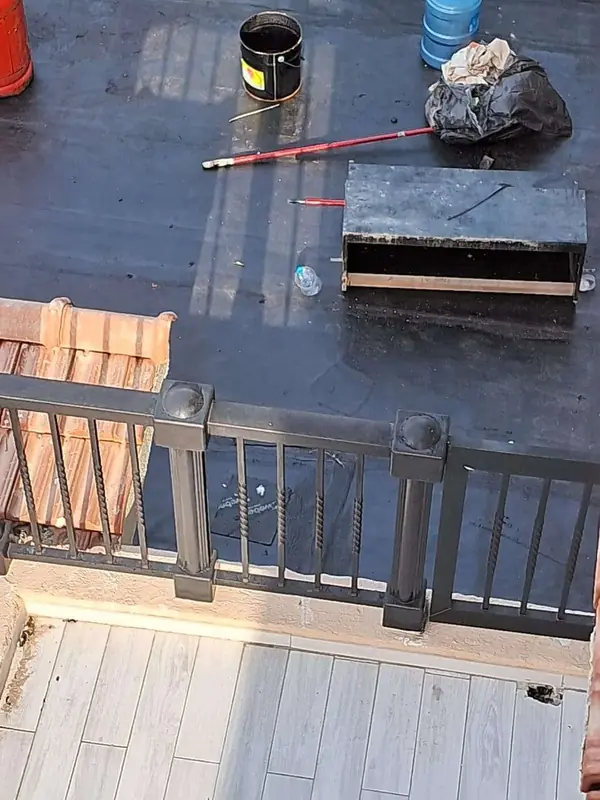
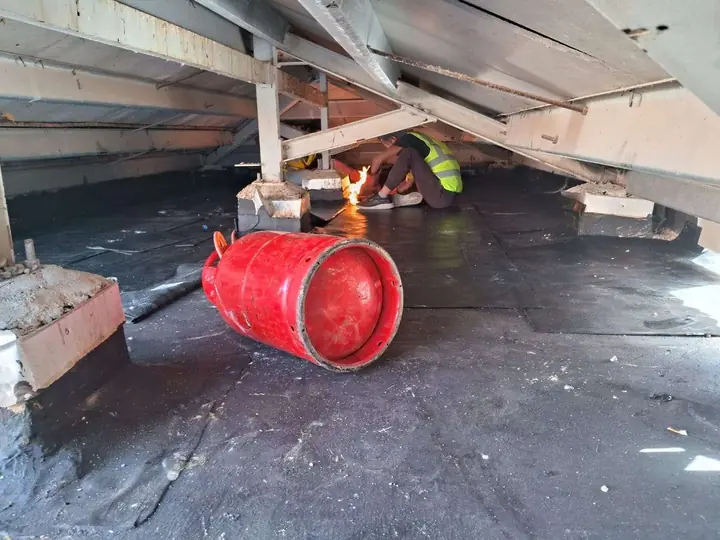
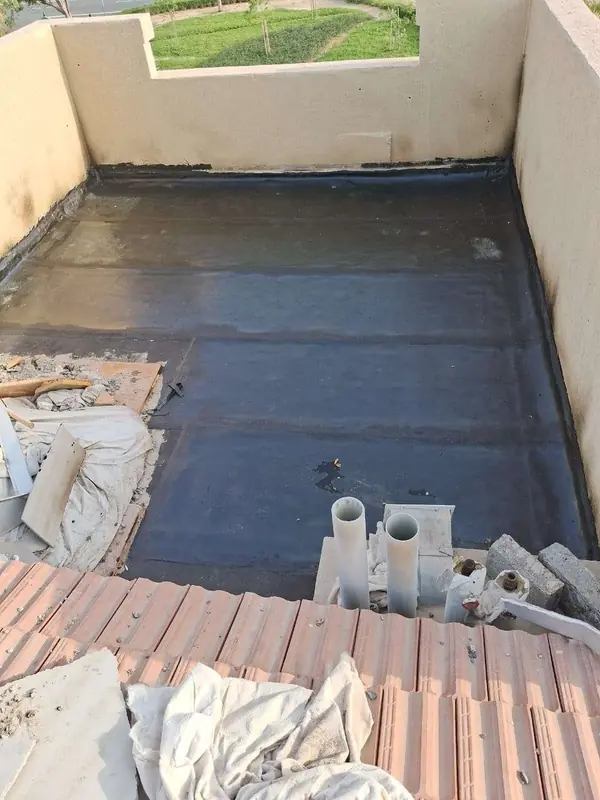
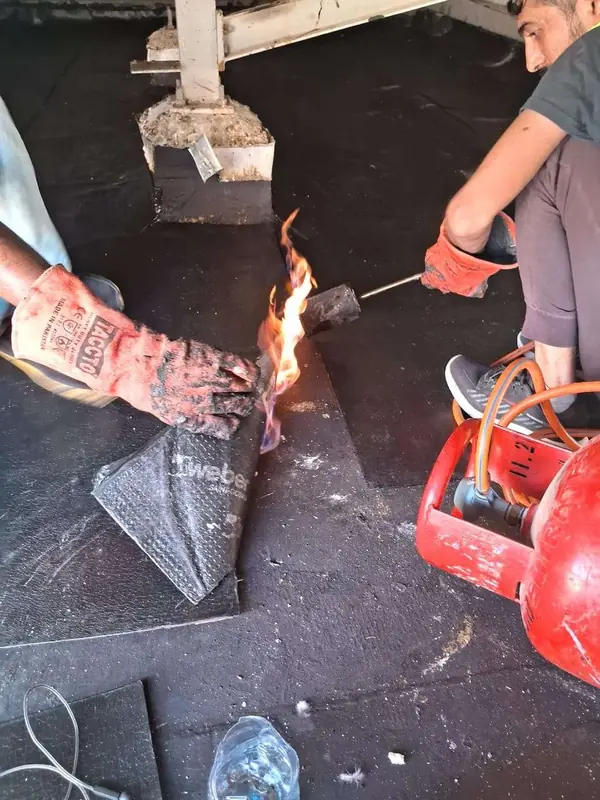
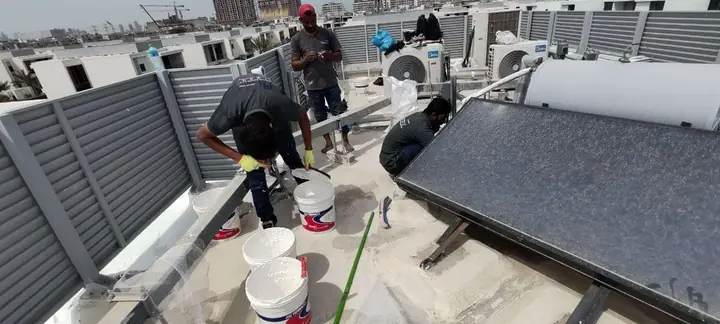
Real photos from our jobs.
Rated 5.0 by the people whose homes we’ve worked on.
Every review is from a real client on our public Google Business profile.
Outstanding company — changed my 3 bathrooms completely in 4 weeks. Walls and floors redone, new sealing, bathtub replaced with a rain shower, everything while I was away. Very professional and good value.
Excellent response time. Very professional and cost effective. Not in the habit of overcharging.
Highly recommended for any maintenance issues or any work that requires a contractor. These guys know their stuff.
Did an excellent job on my room ceiling. The finish is flawless and the attention to detail is commendable. Highly satisfied with their service.
Villa Waterproofing — your questions answered.
Straight answers. If yours isn’t here, send it on WhatsApp.
Send two or three photos of the stain or area. We’ll tell you what it probably is and whether it needs a visit.
Do I need to waterproof the whole villa at once?
No. After the survey we prioritise by risk — active leaks first, then areas showing moisture, then preventive work — so you can phase the work.
My villa is new. Should I check the waterproofing?
Yes, ideally before the defects liability period ends. Leaks from roofs, terraces and bathrooms are far easier to get the developer to fix while the warranty is active.
Can you work while we live in the villa?
Yes. Roof and external work rarely affects daily life; bathroom work is planned room by room.
Which villa communities do you cover?
All of Dubai, including Dubai Hills, Arabian Ranches, The Springs and Meadows, Jumeirah Park, Palm Jumeirah and Emirates Hills, plus the wider UAE.
Do you give a report I can share with my landlord or developer?
Yes. You receive a written report with photos, locations, causes and recommendations.
Can damp at the bottom of my villa walls be fixed without digging?
Sometimes. If the cause is irrigation, raised soil or a blocked drain, correcting those may be enough once the wall dries out. If the below-ground protection has failed, the area usually needs to be exposed and re-treated. Moisture readings at different heights help show which situation you have.
Should I waterproof a terrace before converting it into a room?
Yes. Once a terrace is enclosed, its floor sits over the room below and the new walls create joints the original design did not anticipate. Checking and, if needed, renewing the membrane before construction starts is much easier than lifting a finished floor later to trace a leak.
Do salt air and humidity on the coast affect villa waterproofing?
They can. Salt air corrodes metal fixings, railings and frames, and the gaps that open around them let water behind finishes. Coastal villas benefit from closer attention to sealants and metal details during inspection, and from choosing products whose data sheets suit exposed marine conditions.
Related services
Flat, sloped and podium roofs — torch-on bitumen under screed, or UV-resistant liquid membranes on exposed roofs with AC plinths, solar frames and pipe penetrations detailed properly.

Shower trays, floor wastes and wall junctions sealed with a continuous wet-area membrane — so water stays in the bathroom, not the ceiling below.
Membrane under tiles with correct falls to drains and turned-up edges at doors and walls.
Fix the leak once.
Properly.
Tell us what you’re seeing. We’ll find the cause, show you the evidence and quote the right fix.