
In this article
Investing in property is a significant financial decision, and savvy investors know that due diligence is critical to making a sound investment. Beyond the surface appeal of a property lies a multitude of potential defects that can affect its value and performance. At Austenite Technical Services, we specialize in uncovering hidden defects through meticulous snagging inspections. In this article, we’ll explore the importance of thorough snagging for investors and provide insights on uncovering hidden defects to ensure your investment is solid and profitable.
The Importance of Snagging for Investors
Protecting Your Investment
Identifying defects early can save you from costly repairs and maintenance down the line. A thorough snagging inspection ensures that any issues are addressed before you finalize your investment, protecting your capital.
Ensuring Quality
A property with hidden defects can significantly affect rental income, resale value, and tenant satisfaction. Ensuring quality through detailed snagging helps maintain the property’s appeal and functionality.
Maximizing ROI
By addressing defects promptly, you enhance the property’s durability and efficiency, which can lead to higher rental yields and better long-term returns on your investment.
Key Areas to Inspect for Hidden Defects

Structural Integrity
Foundation and Walls
Check for cracks, damp spots, and signs of movement in the foundation and walls. Structural issues can be costly to repair and may affect the property’s safety and stability.
Roof and Ceilings
Inspect the roof for missing tiles, leaks, and signs of water damage on the ceilings. A compromised roof can lead to significant issues if not addressed promptly.
Plumbing System
Leaks and Water Pressure
Look for leaks around faucets, under sinks, and in the basement. Test water pressure in all taps and showers to ensure there are no blockages or issues with the plumbing system.
Water Damage
Check for signs of water damage, such as stains on walls and ceilings, mold, or damp smells. Water damage can indicate underlying plumbing issues or poor drainage.
Electrical System
Wiring and Outlets
Ensure that the wiring is up to code and that all outlets and switches are functional. Faulty wiring can pose fire hazards and require extensive repairs.
Electrical Panel
Inspect the electrical panel for any signs of wear or outdated components. An updated panel is crucial for the safety and efficiency of the electrical system.
HVAC System
Heating and Cooling
Test the heating and cooling systems to ensure they are functioning correctly. Inefficient systems can lead to high energy costs and uncomfortable living conditions.
Ductwork
Inspect the ductwork for leaks, blockages, and proper insulation. Poor ductwork can reduce the efficiency of the HVAC system and affect indoor air quality.
Windows and Doors
Seals and Frames
Check that windows and doors are properly sealed and that frames are in good condition. Poor seals can lead to drafts, higher energy bills, and moisture ingress.
Functionality
Ensure that all windows and doors open and close smoothly. Faulty windows and doors can compromise security and energy efficiency.
Insulation
Attic and Walls
Inspect the attic and walls for adequate insulation. Proper insulation is essential for energy efficiency and maintaining a comfortable indoor temperature.
Signs of Pests
Look for signs of pests, such as droppings or gnaw marks, which can damage insulation and other structural elements.
Exterior Elements
Paint and Siding
Examine the exterior paint and siding for cracks, peeling, and other signs of wear. Properly maintained exteriors protect the property from weather damage.
Gutters and Drainage
Ensure that gutters and downspouts are clean and functioning correctly. Poor drainage can lead to water damage and foundation issues.
Conducting a Thorough Snagging Inspection
Professional Inspections
Hiring a professional snagging inspector can provide a comprehensive assessment of the property. Professionals have the expertise to identify hidden defects that might be missed by the untrained eye.
DIY Snagging Tips
If you prefer to conduct your own inspection, create a detailed checklist covering all key areas of the property. Take your time to thoroughly examine each aspect and document any defects with photographs.
FAQs on Snagging for Investors
1. Why is a snagging inspection crucial for investors?
A snagging inspection identifies hidden defects that can affect the property’s value and performance. It ensures that any issues are addressed before finalizing the investment, protecting your capital and maximizing ROI.
2. How can structural defects impact my investment?
Structural defects, such as foundation cracks or roof leaks, can be costly to repair and may compromise the property’s safety and stability, reducing its value and appeal.
3. What plumbing issues should I look for?
Check for leaks, water damage, and low water pressure. Plumbing issues can lead to significant water damage and affect the property’s functionality and tenant satisfaction.
4. How can I ensure the electrical system is safe?
Ensure the wiring is up to code, test all outlets and switches, and inspect the electrical panel for wear or outdated components. Faulty wiring can pose fire hazards and require extensive repairs.
5. Why is HVAC system inspection important?
An efficient HVAC system is crucial for maintaining a comfortable indoor environment and reducing energy costs. Test the heating and cooling functions and inspect the ductwork for leaks and blockages.
6. What should I look for in windows and doors?
Check for proper seals, smooth functionality, and overall condition of frames. Poor seals and faulty windows or doors can lead to drafts, higher energy bills, and security issues.
7. How does insulation affect my property?
Proper insulation enhances energy efficiency, maintaining comfortable indoor temperatures and reducing energy costs. Inspect the attic and walls for adequate insulation and signs of pests.
8. What exterior elements should be inspected?
Examine the paint and siding for wear, ensure gutters and downspouts are clean and functional, and check for proper drainage to prevent water damage and foundation issues.
Conclusion
Uncovering hidden defects is essential for making a sound investment in pre-owned properties. At Austenite Technical Services, our comprehensive snagging inspections help investors identify and address potential issues, ensuring the property’s quality and value. By focusing on key areas and understanding the importance of thorough inspections, you can protect your investment and maximize returns. Contact us today to schedule a professional snagging inspection and ensure your investment is built on a solid foundation.

Keep reading
Top Causes of Roof Leakage in Dubai | Waterproofing Guide
Roof leakage is one of the most common and costly problems faced by property owners across Dubai and the UAE. Whether it…
Read article → Top Causes of Roof Leakage in Dubai | Waterproofing Guide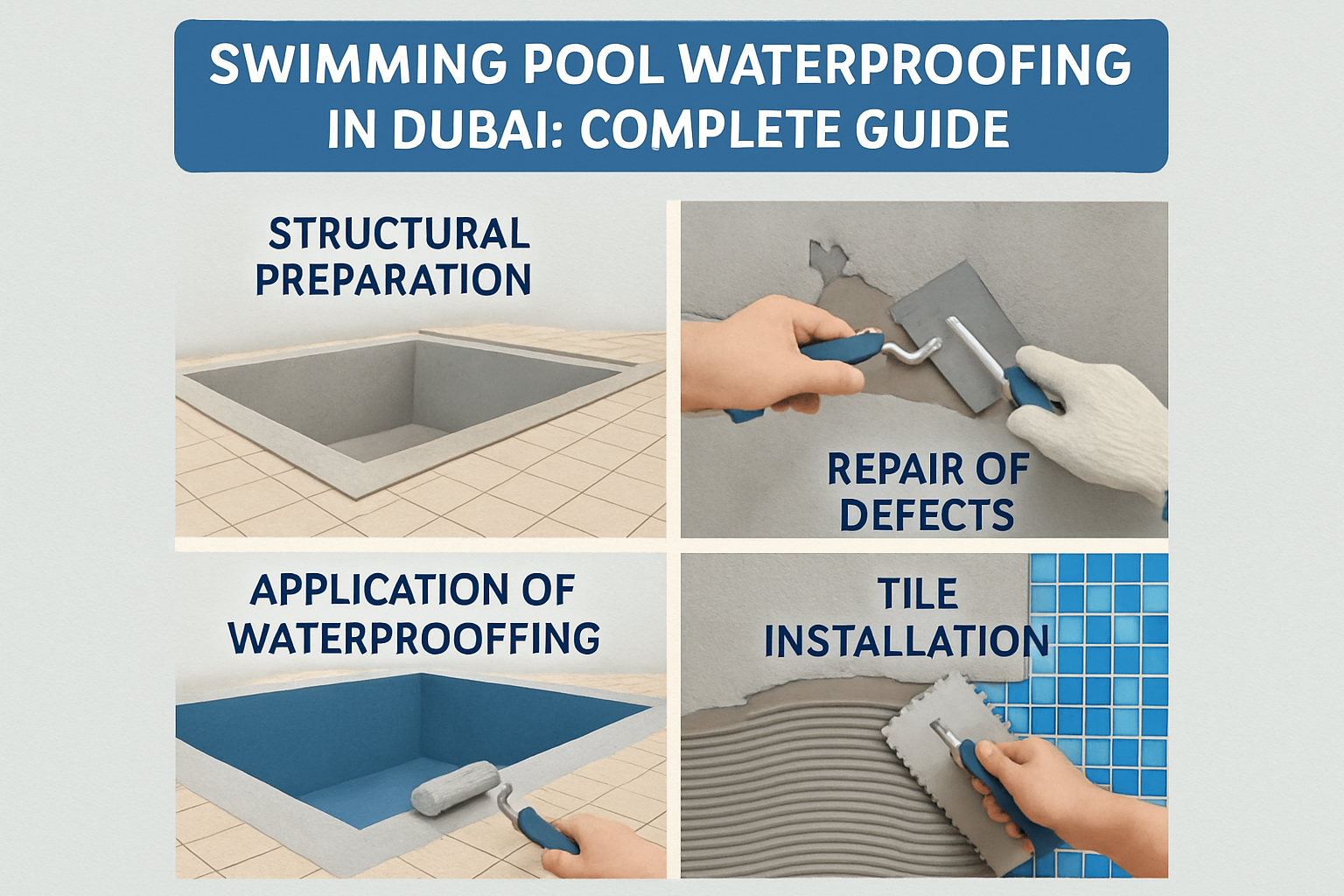
Swimming Pool Waterproofing in Dubai: Complete Guide
Swimming pools in Dubai face constant stress from heat, chemicals, and ground movement. Without proper waterproofing, even a small defect can lead…
Read article → Swimming Pool Waterproofing in Dubai: Complete Guide
Cost of Waterproofing in Dubai: Walls, Roof & Pools
Waterproofing is one of the most important investments for property owners in Dubai. Whether it’s damp walls, roof leakage, or pool seepage,…
Read article → Cost of Waterproofing in Dubai: Walls, Roof & Pools