

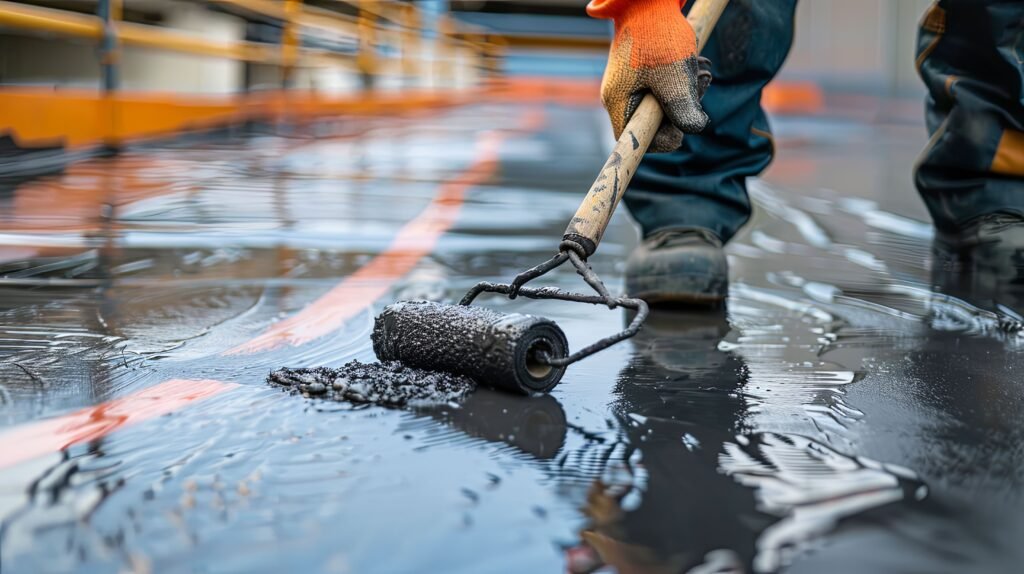
Waterproofing is one of the most essential steps in building construction and maintenance, especially in regions that experience heavy rainfall, high humidity, or frequent water exposure. Among the various materials used for waterproofing, bitumen stands out as one of the most durable, cost-effective, and trusted solutions. For decades, waterproofing with bitumen has been widely used to protect roofs, foundations, basements, water tanks, and concrete structures from moisture damage. Its strong adhesive properties, high resistance to water, and long lifespan make it a preferred choice for residential, commercial, and industrial applications.
Bitumen is derived from crude oil and possesses a thick, sticky consistency that forms an impermeable layer once applied. When used for waterproofing, bitumen creates a strong barrier that prevents water infiltration and protects the underlying surfaces from deterioration. This protective layer is particularly effective for concrete structures, which are naturally porous and prone to cracks if exposed to moisture over time. By applying bituminous coatings, contractors can ensure that buildings remain structurally sound and safe for years.
Why Bitumen Is a Preferred Material for Waterproofing
Bitumen has several properties that make it an excellent waterproofing solution. One of its greatest strengths is its ability to bond firmly to different types of surfaces, including concrete, metal, wood, and brick. This adhesion forms a continuous protective membrane that blocks water penetration and eliminates gaps where moisture could seep in. The elasticity of bitumen is another major advantage because it allows the coating to expand and contract with temperature changes without cracking or breaking.
Moreover, bituminous waterproofing systems offer long-term durability. Unlike some materials that deteriorate quickly when exposed to sunlight or harsh weather conditions, bitumen remains stable and resistant to ultraviolet rays. This makes it particularly effective for roofing applications where constant exposure to direct sunlight could weaken other materials. Additionally, bitumen does not corrode or degrade when in contact with chemicals or soil minerals, making it ideal for waterproofing foundations and underground structures.
Another important benefit is its affordability. Bitumen is widely available and cost-effective compared to many high-end waterproofing solutions. This makes it a practical choice for large construction projects as well as small residential applications. Despite its affordability, it still provides reliable and long-lasting protection.
Types of Bitumen Waterproofing
Although bitumen is a single material, it is used in different forms depending on the application requirements. The two most common types are bituminous coating and bituminous membrane.
Bituminous coating, also called asphalt coating, is a liquid-applied material that forms a smooth protective layer when it dries. It is often used for waterproofing foundations, basements, and water-retaining structures. This type of waterproofing is easy to apply and works well in areas that need a flexible and continuous coating.
Bituminous membranes, on the other hand, are prefabricated sheets made of bitumen mixed with polymers. These sheets are rolled onto surfaces using heat, creating a stronger and thicker protective barrier. They are commonly used for flat roofs, terraces, podium decks, and areas where water exposure is constant. Membranes offer superior strength and are especially popular for commercial and industrial buildings.
Applications of Bituminous Waterproofing
Bitumen can be used in various areas of construction, and its effectiveness makes it suitable for multiple surfaces. It is commonly applied to roofs, where it protects structures from rainwater accumulation and prevents leakages. Flat roofs in particular benefit from bituminous membranes because they require strong, waterproof barriers to withstand standing water.
In foundation areas, bituminous coatings protect underground walls from soil moisture, which can cause cracks and weaken structures. Basements also require waterproofing to prevent seepage that may lead to mold growth, dampness, and unpleasant odors. Bitumen creates a tight seal around basement walls, keeping the interior dry even during heavy rainfall.
Concrete water tanks and reservoirs frequently use bitumen-based waterproofing to prevent leakage and maintain water purity. Bitumen is also ideal for bathrooms, balconies, and terraces, where water exposure is frequent. In industrial settings, it is used to protect pipelines, metal surfaces, and machinery from corrosion and moisture.
Advantages of Waterproofing With Bitumen
One of the primary reasons bitumen remains a top choice is its versatility and long-term performance. Bitumen is suitable for nearly all construction surfaces, making it highly adaptable. Its resistance to aging and environmental stress ensures that structures remain protected for many years without needing frequent repairs or reapplications.
Another advantage is its ease of installation. Contractors appreciate bitumen because it can be applied quickly and efficiently, reducing project timelines. Whether applied as a liquid coating or a heat-bonded membrane, bituminous waterproofing yields consistent and dependable results.
Additionally, bitumen offers strong protection against water pressure. This is especially critical for underground structures, where water pressure can push moisture into tiny cracks. Bituminous layers prevent this penetration, safeguarding the building’s structural integrity.
FAQs About Waterproofing With Bitumen
1. What makes bitumen effective for waterproofing?
Bitumen is naturally waterproof, highly adhesive, and flexible, allowing it to form a strong, continuous membrane that prevents water penetration. Its durability and resistance to environmental conditions make it reliable for long-term use.
2. How long does bituminous waterproofing last?
A well-installed bituminous waterproofing system can last 10 to 20 years, depending on environmental exposure and maintenance. Bituminous membranes often last longer than liquid coatings.
3. Can bitumen be used for both residential and commercial buildings?
Yes, bitumen is suitable for all types of construction, including homes, offices, shopping complexes, factories, and industrial plants.
4. Is bituminous waterproofing suitable for bathroom areas?
Absolutely. Bitumen forms an excellent waterproof membrane for bathrooms, preventing leakage and protecting the underlying concrete from moisture damage.
5. Does bitumen require maintenance?
While bitumen is durable, periodic inspections are recommended, especially for areas exposed to sunlight or standing water. Timely maintenance can significantly extend the lifespan of the waterproofing layer.
6. Can bitumen withstand high temperatures?
Yes. Bitumen is designed to tolerate extreme temperatures. Modified bitumen products, in particular, maintain their flexibility and strength even in hot climates.